Least Conflict Solar Siting
The Challenge
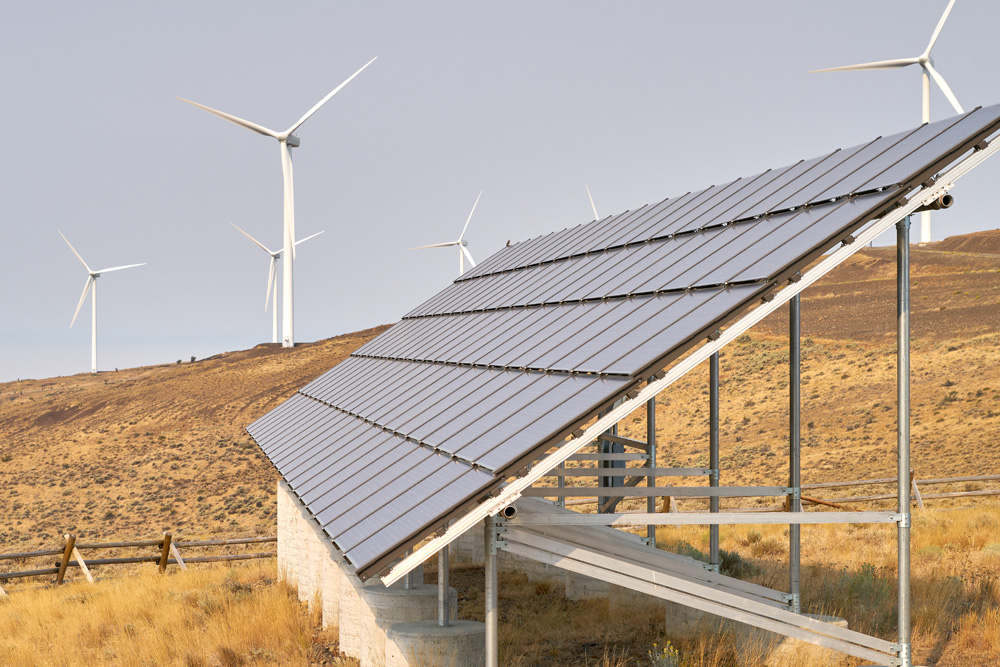
Siting of utility scale solar energy has faced local opposition in Washington’s Columbia Plateau due to conflicts with other land uses, impacts on Tribal cultural resources, and lack of perceived or actual benefits to local communities. This project engaged stakeholders across the state to identify areas where solar development is least likely to raise such conflicts.
Our Role
Ross Strategic facilitated virtual meetings to engage Tribes, stakeholders, and community members in identifying and prioritizing land uses that may come into conflict with solar development. Our team designed, facilitated, and documented highly interactive meetings of 80-100 people to identify issues, inform ongoing work of technical mapping groups, interpret outcomes of least-conflict mapping, and develop recommendations for how this information should be used. For each meeting, the Ross team developed a public agenda, a highly detailed annotated “run of show,” virtual meeting platform technology, facilitation, and summary documentation.
The Impact
This work was instrumental in creating maps and an accompanying report on least-conflict solar strategies in Washington. It has been used to inform subsequent work by state agencies to inform siting decisions and process, as well as programmatic environmental impact statements and guidance for renewable energy development. Materials for the project can be found here.