Charting the Roadmap for Zero-Emission Trucks at Puget Sound Ports
The Challenge
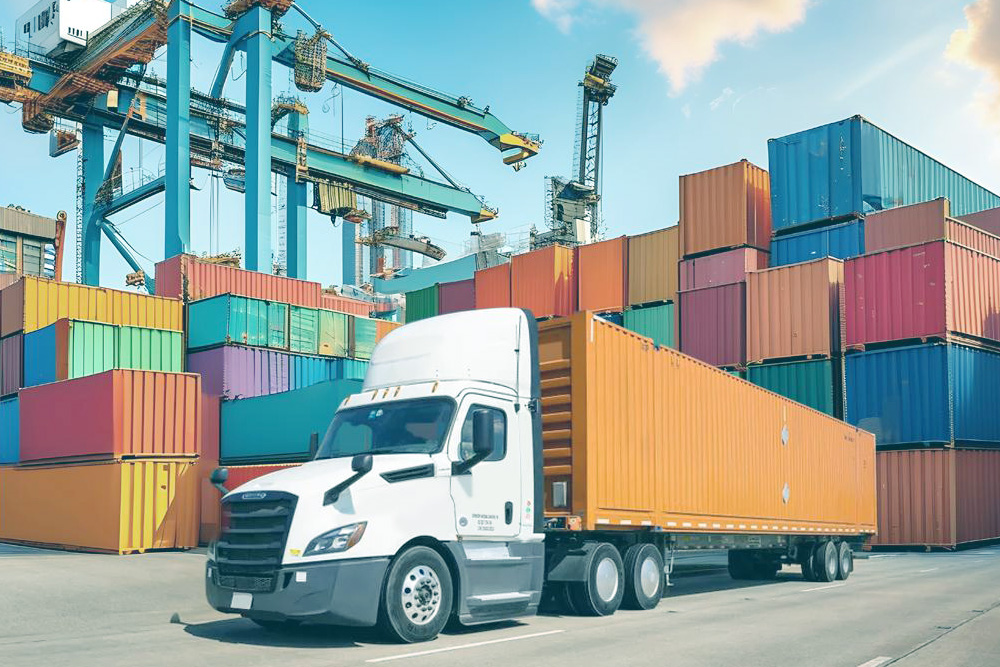
The Ports of Seattle and Tacoma have developed strategies and targets for reducing their greenhouse gas emissions and improve air quality for neighboring communities. A significant part of their emissions “footprint” is from the 5,000 diesel trucks moving goods in and out of the ports, which are owned by a large variety of companies and individual operators. Transitioning from diesel trucks to zero-emission electric and hydrogen trucks is technically possible but challenging due to their higher cost, unfamiliarity, different operational requirements, and need for new types of charging and fueling infrastructure.
Our Role
Working with the Northwest Seaport Alliance, Ross Strategic and its partners convened and facilitated the Puget Sound Zero-Emission Truck Collaborative to develop a roadmap for transitioning the drayage fleet to zero-emission vehicles. Members of the group—comprised of communities, utilities, agencies, private fleets, and others that will play a critical role in the transition—met over nearly two years to craft recommendations to help overcome key barriers and start getting zero-emission trucks on the road. In addition to facilitating the collaborative, our team held a series of meetings with drivers and community groups and conducted technical analysis of transition paths and costs.
The Impact
The Roadmap has charted the course of zero-emission drayage trucks at the ports, and the Collaborative continues on to track and coordinate implementation of the process, with Ross Strategic continuing to facilitate and guide the process.