Talking to Rural Washingtonians about Clean Energy
The Challenge
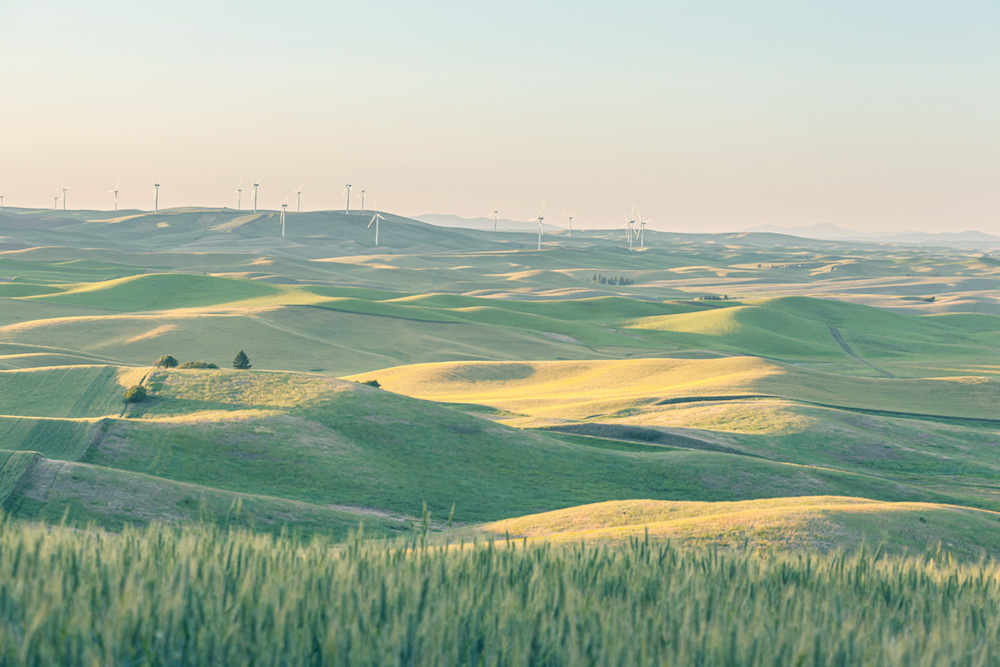
Washington State has ambitious goals for reducing greenhouse gas emissions and advancing clean sources of electricity, like wind and solar. Some of the areas that are most affected by the transition to clean energy are rural parts of Washington that have large land areas, ample sun and wind, and already host critical infrastructure, like transmission lines. Some rural communities and Tribes have raised concerns about the impacts of this development and are interested in how they can benefit from the clean energy transition.
Our Role
Ross Strategic led a team that included the Clean Energy Transition Institute and IEc, which provided detailed analysis of the economic and financial impacts of clean energy projects. We conducted a “road show” of community meetings around the state to understand how rural communities see opportunities, risks, and concerns. And, we assessed the potential role and value of Community Benefit Agreements, which create a process for understanding what specific communities need and how clean energy projects can benefit them.
The Impact
Our team’s report to Commerce and the state legislature is informing policies and programs to increase opportunities and reduce negative impacts from renewable energy development for rural Washington communities. Read the report here.